The 1830 uprising in the Southern Netherlands
Explore the complex origins and consequences of a pivotal moment in European history.
Upcoming publication
This book is expected to be released in 2027. Stay tuned for more updates on its publication. We anticipate this will be a significant contribution to understanding the 1830 uprising in the Southern Netherlands.

The francophone elite's struggle for power
The 1830 uprising in the Southern Netherlands was primarily a revolt by the francophone elite who feared losing their influence to the Dutch-speaking majority, particularly the Flemish, under the rule of King William I. This power struggle shaped the initial motivations and direction of the revolt.
Key events and turning points of the revolt
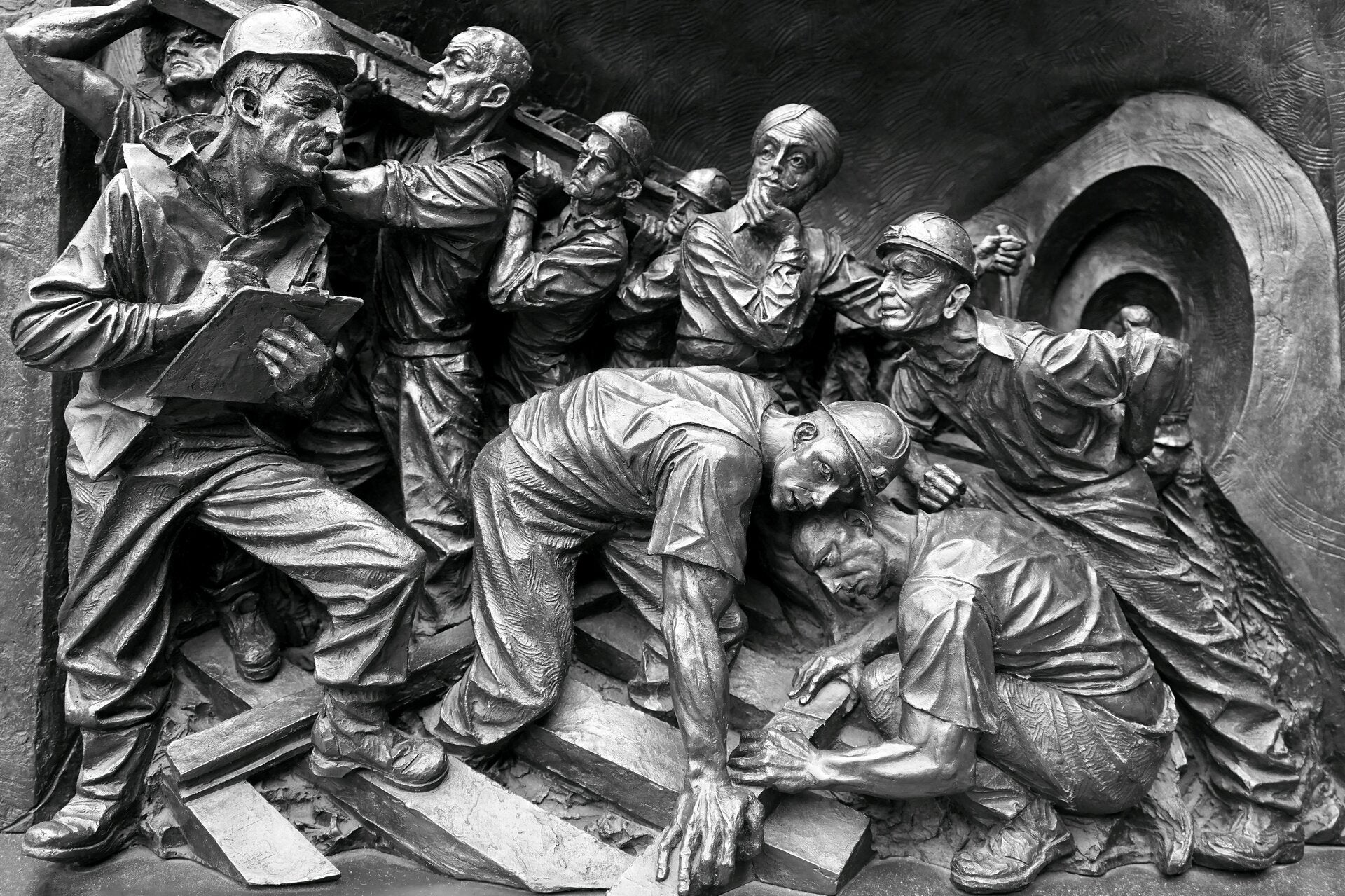
The uprising was led by French speakers and those sympathetic to France. Meanwhile, the Flemish working class, already involved in a hunger riot similar to one in Rotterdam, was incited to fight in the streets of Brussels. This effectively channeled the hunger riot into the larger uprising. Before 1830, there were no groups advocating for secession from the United Kingdom of the Netherlands. After the uprising, the francophone elite gained all political power, while the Flemish were even forced to abandon their language. They then had to organize and fight for the preservation of their own language and culture in the ensuing language struggle.

The uprising's broader historical significance
The uprising emerged in the wake of the French Revolution. A specter of revolution then haunted Europe, keeping many countries, like Germany, busy containing revolts. The United Kingdom of the Netherlands served as a buffer against French aggression, which had long threatened under figures like Louis XIV and later Napoleon. The French had always wanted to advance to the Rhine to establish natural borders, which is precisely why England, among others, had helped establish the United Kingdom of the Netherlands.

Belgium: A unique birth from minority rule
Belgium is the only country created when a small elite seized power, resulting in the minority holding power after the uprising. The Dutch-speaking Flemish were, after all, in the majority, but Belgium arose because a French-speaking minority initiated a revolt and subsequently took power. Belgium became a compromise because the great powers did not want another war. Thus, two cultures, French and Flemish/Dutch, had to coexist in a country where the minority (French-speaking) held the majority (Dutch-speaking) in its grip.